
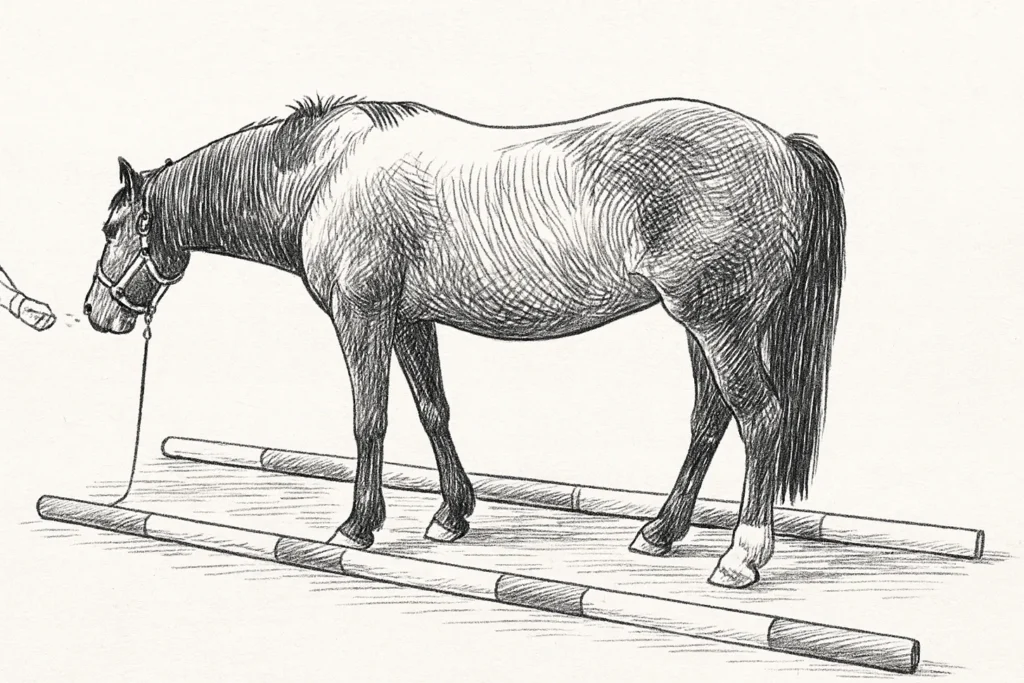
I recently read a post about students missing errors in training. The concerns were familiar: handlers rewarding behaviour that doesn’t meet criteria, noticing mistakes too late, or missing them entirely. The conclusion was that this is confusing for the animal, frustrating for the human, and something students need to get better at spotting.
I agree there is a problem.
I disagree with the solution.
Thanks for reading! Subscribe for free to receive new posts and support my work.
For many students, especially those new to modern training, the issue is not reluctance to improve. It is cognitive load.
They are already:
Adding ‘spot every deviation instantly and respond perfectly’ is not a beginner skill. It sets newby trainers up to fail and sucks their confidence.
My default is errorless design.
Errorless training is often misunderstood as avoiding mistakes at all costs, or being precious, or unrealistic. It is none of those things. It is about structuring learning so the likelihood of error is low enough that both horse and human can concentrate on less.
When training is well designed, the handler does not need to catch errors because:
Errorless is not dumbing down. It is careful engineering of learning.
Yes, experienced trainers spot errors quickly. They notice early signs of confusion and adjust in real time. That skill comes from thousands of hours with different animals, contexts, and errors. Some people show it earlier than others. Many do not possess it naturally. That is normal. It is a skill you can learn.
What I hear more often is students being told that errors are ‘part of learning’ and that they need to fix them faster. They try. But, inevitably, training becomes tense. Confidence drops. Human and horse disengage. Clicker training gets the blame.
But it is a design problem.
Errors happen. They always will. But telling a student to ‘be more aware’ is not useful. Reducing antecedent complexity is.
Training does not improve because we get better at spotting mistakes. It improves because we design situations where fewer mistakes are likely in the first place.
That is true for horses.
And it is true for humans.
Learning to get things wrong without losing fluency, confidence, or the desire to train is an advanced skill. It belongs later. All animals deserve to build resilience through positive learning situations, not through getting it wrong and finding the right answer by mistake.
No training is perfect.
But better antecedent design can get you close.