
Every day, I’m reminded how hard it is to see clearly. Every day. It feels tedious. But I hope I’m a better person because of this constant examination of the facts.
Whether I’m working with a horse, watching a client interact, or just scrolling social media, I’m struck by how easy it is to judge rather than notice.
I see a lot of horse training I don’t like and of course I want to try and change things. I want to call those things out. But to see what’s wrong is one thing, to respond in a way that can move things forward, change minds, is not the same thing.
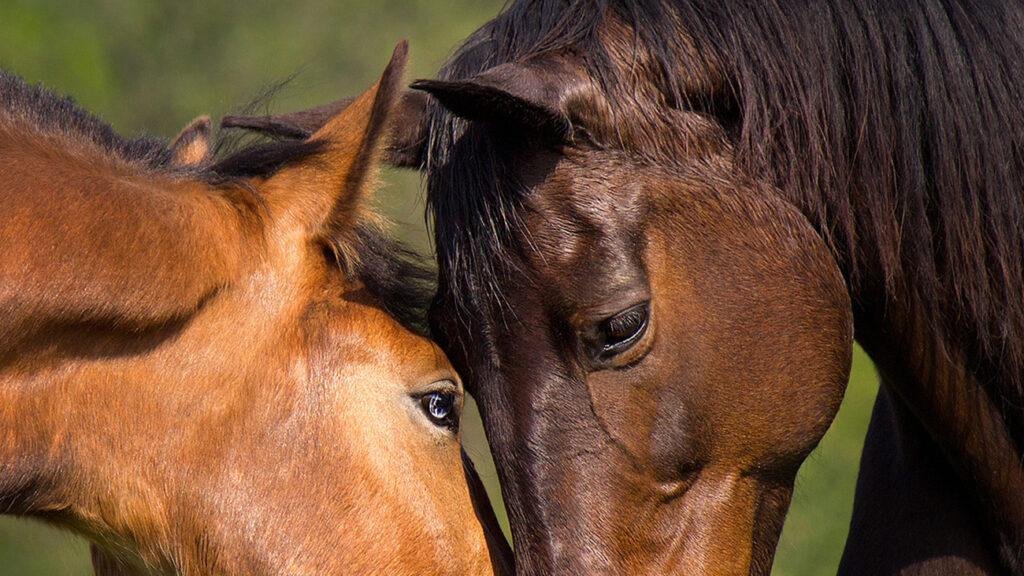
As a behaviour specialist my work is all about the smallest details. Eyes, ears, weight shifts, breathing, tiny changes might speak to me. Those moments grab my attention and help me understand how a horse might be feeling.
And yet, how often do we rush in to correct before we’ve truly observed what’s going on? How often do we decide what’s wrong before we’ve asked why?
I see it in humans too. The rush to label something rather than to ask questions.
Understanding learning theory changed the way I train, but more importantly it changed the way I see the world. It’s not just about using food or removing pressure, it’s about a seismic shift in attitude. It’s about assuming that behaviour makes sense to the learner, whether they are aware of it or not.
Once I started to see it that way, I couldn’t turn it off. I started to notice how easy it was to slip back into old habits with a dismissive comment or a criticism. But those habits don’t teach, they punish connection and add distance (thanks learning theory).
I don’t want to rage. It isn’t attractive and it doesn’t work. I want the curiosity that comes from patience and guidance. I want to notice what needs to change without tearing down everything around it.
This is hard.
This is hard work.
But in life, just like in training, what you reinforce grows bigger. If we keep reinforcing outrage, we’ll see more of it. If we reinforce curiosity, we should see more curiosity.
The world doesn’t need more shouting. It needs better observation.
When I work with a horse who’s defensive or afraid, I know that their behaviour makes perfect sense to them. My job isn’t to punish that behaviour. I strive to understand what’s behind it and to help the horse find different ways to feel safe. The same applies to people.
Seeing clearly is a practice. Some days my view is sharp and clear, some days it’s fuzzy and noisy. But I keep trying because clarity brings compassion, and compassion is what moves me (us) forward.
So, I’ll keep looking. I’ll keep asking why. I’ll keep trying to see clearly and I’ll keep choosing curiosity over judgment. Help keep me curious. Point out my errors with kindness, in the knowledge that I’m trying.